Tours
Private Walking Cambridge - Boston, Harvard Univertisty e MIT
Available every day
Starting from 695.50 USD for 2 adults


Walk into history. Stay for the neighborhoods.
Tours
Available every day
Starting from 695.50 USD for 2 adults
Tours
Available every day
Starting from 370.50 USD for 2 adults

Transfers
Available on Sunday, Monday, Tuesday and Wednesday
Starting from 84.00 USD for 2 adults

Transfers
Available on Sunday, Monday, Tuesday and Wednesday
Starting from 84.00 USD for 2 adults


Activities
Available on Friday, Saturday, Sunday, Monday, Tuesday and Wednesday
Starting from 56.16 USD per person

Activities
Available on Friday, Saturday, Sunday, Monday, Tuesday and Wednesday
Starting from 71.76 USD per person

Activities
Available on Friday, Saturday, Sunday, Monday, Tuesday and Wednesday
Starting from 87.36 USD per person

Activities
Available on Friday, Saturday, Sunday, Monday, Tuesday and Wednesday
Starting from 102.96 USD per person

Activities
Available on Friday and Saturday
Starting from 224.12 USD per person
No services match your search.
The OpenTours city guide
Boston is a city best understood at street level: brick lanes, harbor views, green spaces and buildings that connect everyday life with national history. The Freedom Trail offers a beginning, but the neighborhoods give a visit its texture. Add a museum, a waterside walk or time across the Charles River in neighboring Cambridge, and a short stay becomes a varied introduction to this corner of New England on your terms.
For a first visit, use the historic center as a starting point and build outward. A section of the Freedom Trail can pair with the North End, while Beacon Hill and the Charles River invite a different kind of walk. Leave time for interiors and interpretation if history is your main interest. Passing a landmark and understanding its story are not always the same experience.
Boston also rewards plans beyond the best-known revolutionary sites. Choose a museum around your interests, pause in a park, or make the waterfront part of an unhurried afternoon. Cambridge is a separate city across the Charles River, with its own squares and university setting. If you include it, give the visit a meaningful block of time instead of treating it as one more stop on a crowded central-city route.
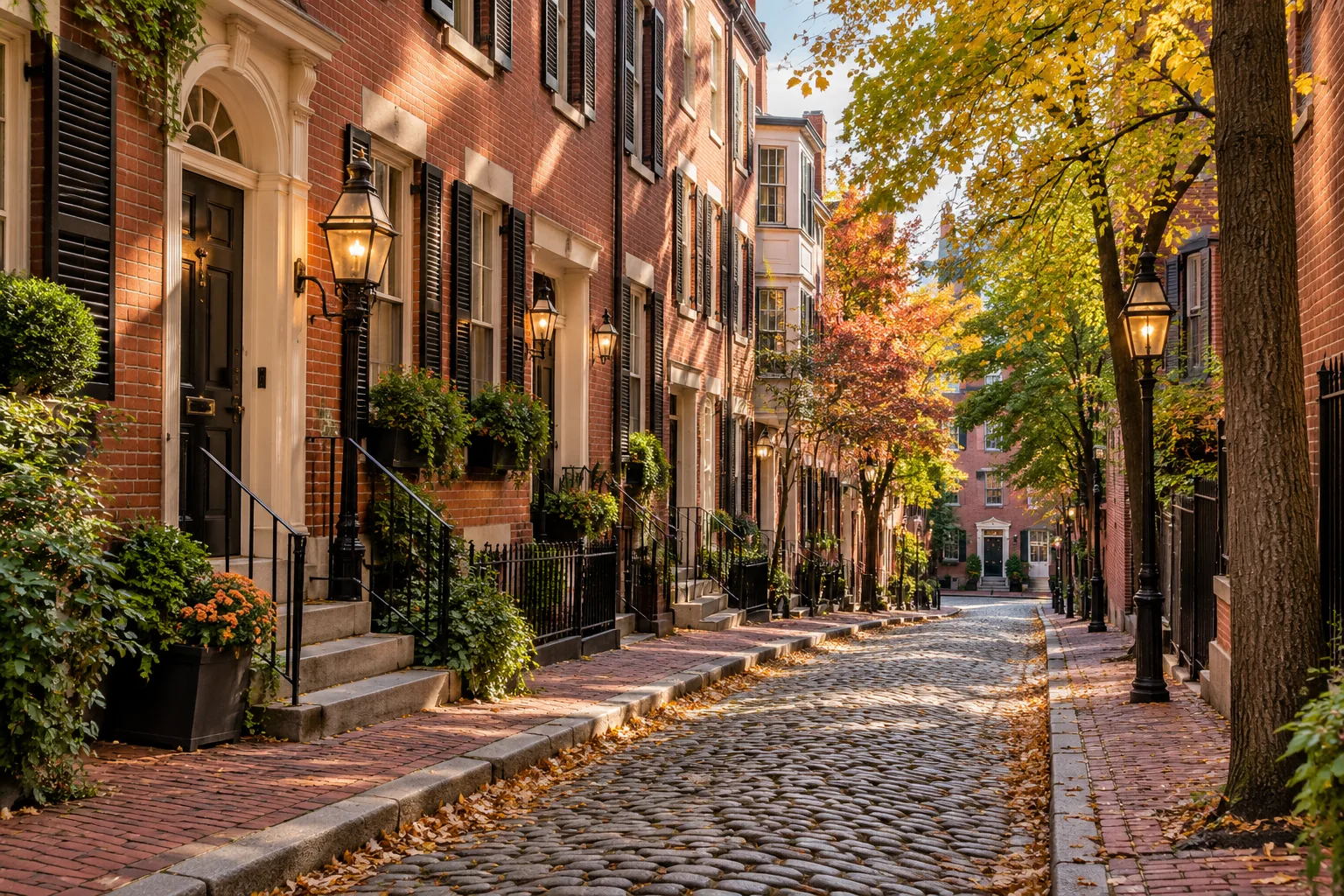
Behind the landmarks
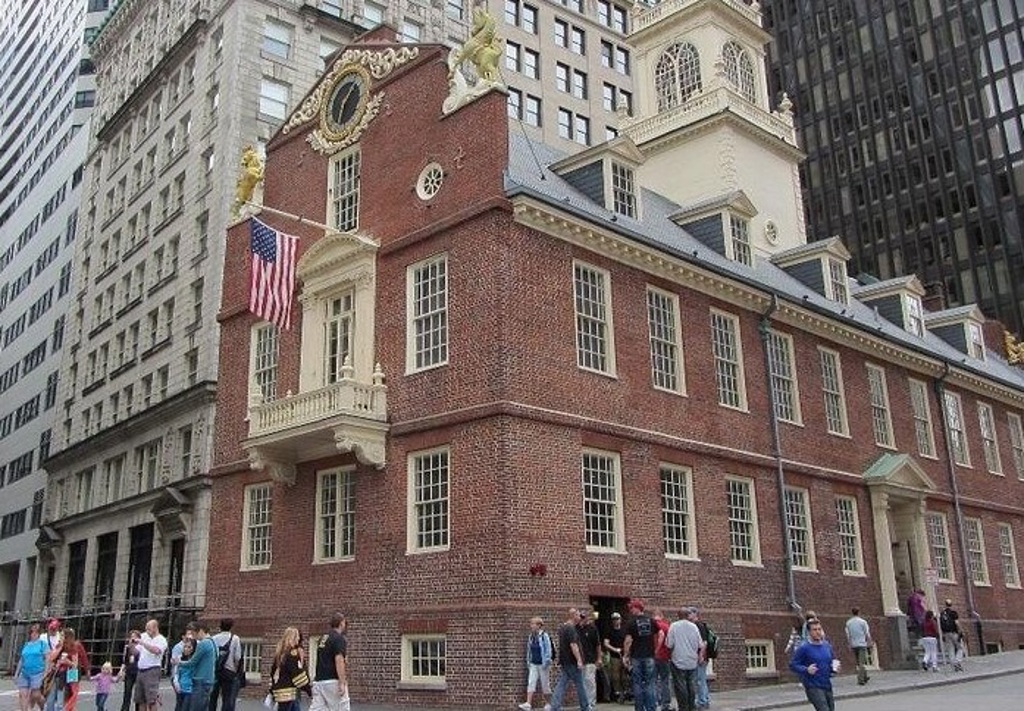
Founded in 1630, Boston developed as a harbor town with a strong connection to the sea. Its role in the American Revolution makes the city an important place to explore the arguments, events and people behind the country's early history. The surviving sites sit within a living city, so a visit can connect the stories told in museums with the surrounding streets and public spaces.
The Freedom Trail links many of those places through a recognizable red line. The National Park Service presents the route as a way to explore the stories of individual sites, and visitors can choose their own order. Our suggestion is to focus on the chapters that interest you most, allowing time to read, enter a site when appropriate and ask how its story connects to the next.
Historical sources: Meet Boston: Boston's history and harbor setting National Park Service: Freedom Trail audio tour
Start exploring
Choose a section that suits your time and interest in history. The route is a useful framework, but individual sites have their own visiting arrangements; allow time for more than following the red line.
Walk through the neighborhood for its brick streets and intimate scale. Explore respectfully around private homes, then continue toward a nearby green space for a change of pace after the narrower lanes.
Make the water part of your visit with a walk or a separately booked harbor experience. Check where your chosen route begins and ends, and bring a layer for conditions along the exposed waterfront.
Visit the neighboring city for its squares, bookshops and university atmosphere. Public streets and organized campus visits are different experiences; check access arrangements before planning time inside university buildings.
A closer look
Combine historical stops with time for a meal and a walk through the smaller streets. It works particularly well as a focused part of a day around the historic center.
Explore broad streets, architecture and shopping at a slower pace. Choose a route that includes a pause in a nearby park or along the Charles rather than only moving between stores.
A compact area that rewards attention to doorways, brickwork and the shape of the streets. Keep in mind that the most photographed corners are also part of a residential neighborhood.
Before you go
Our planning suggestion: allow two to three full days for Boston, with additional time for a deeper museum visit or a relaxed Cambridge outing.
Travelers interested in history, walkable neighborhoods, architecture and a city stay that can introduce a wider New England journey.
Combine walking with public transport. Check the route for each day and allow for uneven historic surfaces or longer distances when planning for your group's needs.
Spring and autumn are appealing for neighborhood walks. Summer can suit waterfront time; in winter, balance outdoor routes with indoor visits and dress for the conditions.
Good to know
We suggest two to three full days for an introduction to the historic center, a few neighborhoods and the harbor. Add time if museums or Cambridge are major priorities. A shorter stay is more rewarding when you choose a clear focus.
No. You can choose a section or specific sites that interest you. Decide how much time you want to spend inside the buildings as well as walking between them, and check each site's arrangements before the visit.
Harvard's main campus is in neighboring Cambridge, across the Charles River from Boston. Cambridge deserves its own time for the surrounding streets and squares. Check the university's current visitor information if you want a particular campus experience.
Yes. It can be a distinct city stop alongside destinations such as New York or Washington, DC. Choose the transport and pacing around your available days, and leave time for the city itself rather than treating every stop as an overnight transfer.
Official destination and cultural resources used for this guide. Travel suggestions reflect an editorial itinerary; check operators for current schedules and booking details.
Last updated .
Keep discovering